After a Gulf Coast hailstorm or a long hurricane season, it’s tempting to accept the first inspection paperwork a roofer hands you and call it done. But not every document labeled “inspection” actually does the job. A real report shows dated photos, slope-by-slope condition notes, decking and attic findings, and a ranked list of repairs with cost ranges. A price sheet with a signature line at the bottom is a sales quote, not an inspection. Keep reading to learn exactly what to look for before you trust any report with your roof.
What Every Written Report Should Cover
Think of a complete report as a medical chart for your roof. A solid roof inspection checklist covers every surface, every layer, and every system. Here’s what yours should include:
- Photo documentation: Clear, labeled images of each problem area, with both close-up and wide shots. Many inspectors now add drone roof footage to capture steep or fragile slopes safely.
- Slope-by-slope notes: Each roof face needs its own condition rating. In Texas, south- and west-facing slopes tend to show the most heat blistering.
- Decking findings: The report should flag soft spots, sagging sections, or water-stained plywood spotted from the attic.
- Ventilation review: A full inspection counts intake and exhaust vents and notes signs of trapped heat. Poor airflow quietly bakes shingles from below.
- Attic moisture readings: Look for actual meter numbers here, not rough estimates. Readings above 19 percent in the wood often point to an active leak.
These standards apply whether you’re inspecting a residential roof on a Katy subdivision home or a commercial roof on a flat-topped retail building. Flat systems also need notes on seams, drains, and any ponding water.
If the findings are minor, a targeted roof repair is often all you need. A thorough report gives you that option instead of pushing straight to replacement.
Remaining Life and Repair Priorities With Real Numbers

A strong roof inspection report in Texas goes further than listing what’s wrong. It estimates how many useful years the roof has left. In Houston’s heat, asphalt shingles typically last 15 to 20 years, so a 17-year-old roof after back-to-back storm seasons deserves a close look.
The report should then rank repair recommendations by urgency. Active leaks and missing ridge caps come first. Cracked pipe boots and minor flashing issues follow. Longer-range planning, like budgeting for a full replacement, closes out the list. Each item should carry a realistic cost range so you’re not left guessing.
When the data points toward a new roof, the report should explain why repairs no longer make financial sense. Homeowners in Friendswood can check our roof replacement in Friendswood, TX page to see how that process unfolds locally. Others weighing longevity might also want to explore metal roofing options, which can outlast asphalt by decades in Gulf Coast conditions.
Inspection Report or Sales Pitch? Spotting the Difference
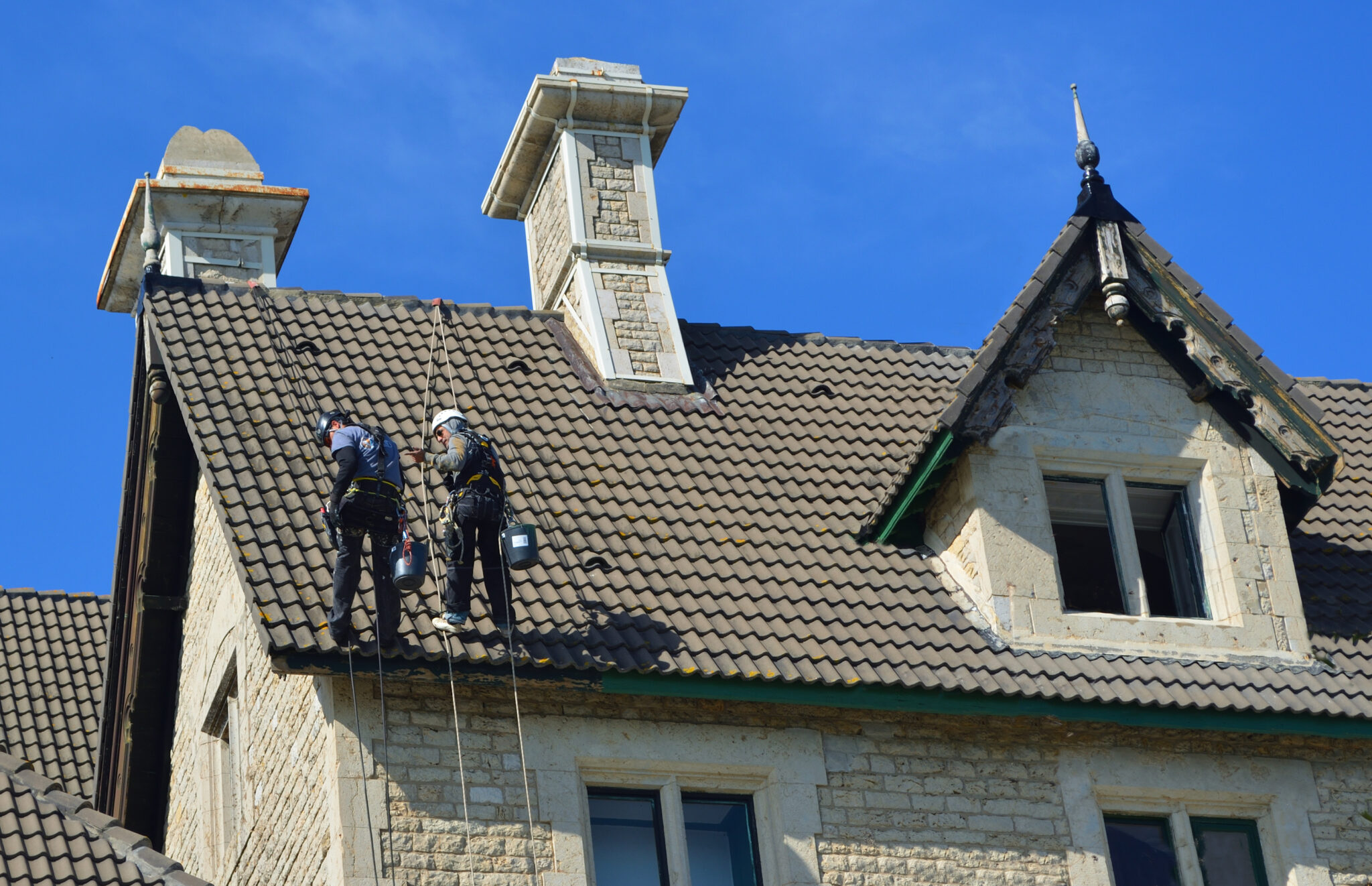
A legitimate roof condition report leads with facts and holds off on pricing until you understand what’s actually happening with your roof. A sales quote dressed as an inspection tends to skip slope notes, attic readings, and any mention of repair options, going straight to a full replacement figure.
Watch for pressure tactics, too. Any phrase like “sign today to lock in this price” is a signal to slow down. A trustworthy inspector hands you the findings and lets you decide.
The deductible angle is also worth watching. Texas law bars roofers from waiving or covering your deductible. If someone offers to make it disappear, that’s a clear red flag. Our roofing services page walks through what an honest inspection and estimate process looks like from start to finish.
Five Questions to Ask Before You Sign
Reviewing a detailed roof inspection report and asking a handful of sharp questions before any contract is signed can save you thousands and a lot of frustration.
Can I keep a full written copy?
Ask for a PDF with every photo, note, and reading. A complete file supports insurance claims, future repairs, and home sales later.
What are my repair options?
Not every roof needs replacing. Ask for repair paths alongside the replacement quote, with a cost range for each. If they can’t name one repair option on a roof under 15 years old, push back.
Who handles permits and windstorm paperwork?
Homes east of Highway 146 need a TWIA WPI-8 certificate, or windstorm claims can be denied. In Seabrook, this step applies to nearly every job. Find out who files it and on what timeline.
Can I see your insurance certificate?
Texas has no statewide roofing license, so a valid insurance certificate carries real weight. Ask the insurer to send it directly to you, not through the contractor.
How many shingle layers are on my roof now?
Local rules cap most roofs at two layers. If yours already has two layers, the old shingles must come off entirely before anything new goes on. Knowing this upfront keeps the estimate honest.
Get a Report You Can Actually Use
At WABO Roofing Systems, every inspection is a fact-finding visit. If you want to know what is in a roof inspection, you get labeled photos, slope notes, attic moisture readings, and ranked recommendations with real price ranges. Our seasoned crew explains every finding in plain language and gives you time to decide without pressure.
Whether hail, heat, or a recent storm has you wondering about your roof, we’re ready to take a close look and give you a report that tells the story.