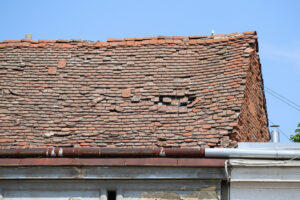
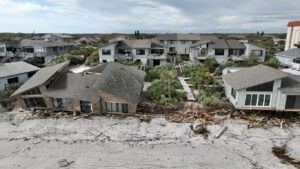
Your payout hinges on one key detail: whether your policy pays actual cash value (ACV) or replacement cost value (RCV). ACV subtracts depreciation, so you receive less upfront. RCV can cover the full cost of a new roof. Here’s how ACV vs RCV roof insurance in Texas works, in plain terms.
Navigating storm damage claims after heavy coastal weather can feel overwhelming, especially when adjusters use unfamiliar insurance jargon. Understanding these settlement terms helps you estimate out-of-pocket expenses before filing a claim. In Texas, where severe storms and hail frequently affect roofing systems, policy structure determines how much financial support you receive for necessary repairs. Knowing the exact coverage type listed on your declarations page ensures you avoid surprise bills during a complete roof replacement.
What ACV and RCV Actually Mean
- ACV (Actual Cash Value): Pays what your roof is worth at its current age and condition. This is roof depreciation insurance in action, since materials lose value every year.
- RCV (Replacement Cost Value): Covers the cost to install a comparable new roof, regardless of what the old one was worth.
The financial gap between these two figures widens with every year your roof ages, directly impacting your out-of-pocket expense when filing a storm damage claim.
How Depreciation, Deductibles, and the Two-Check Process Work

Insurers calculate depreciation based on your roof’s age and specific material composition. With RCV policies, that withheld amount is classified as recoverable depreciation roof value, which you collect once the replacement work is fully complete.
RCV claims typically arrive in two distinct installments. The initial payment covers the ACV amount so work can begin. Once roof replacements wrap up, the insurer releases the withheld depreciation as a second payment. This structure reflects the roof payment schedule endorsement built into many modern Texas insurance policies.
ACV-Only Endorsements on Older Roofs
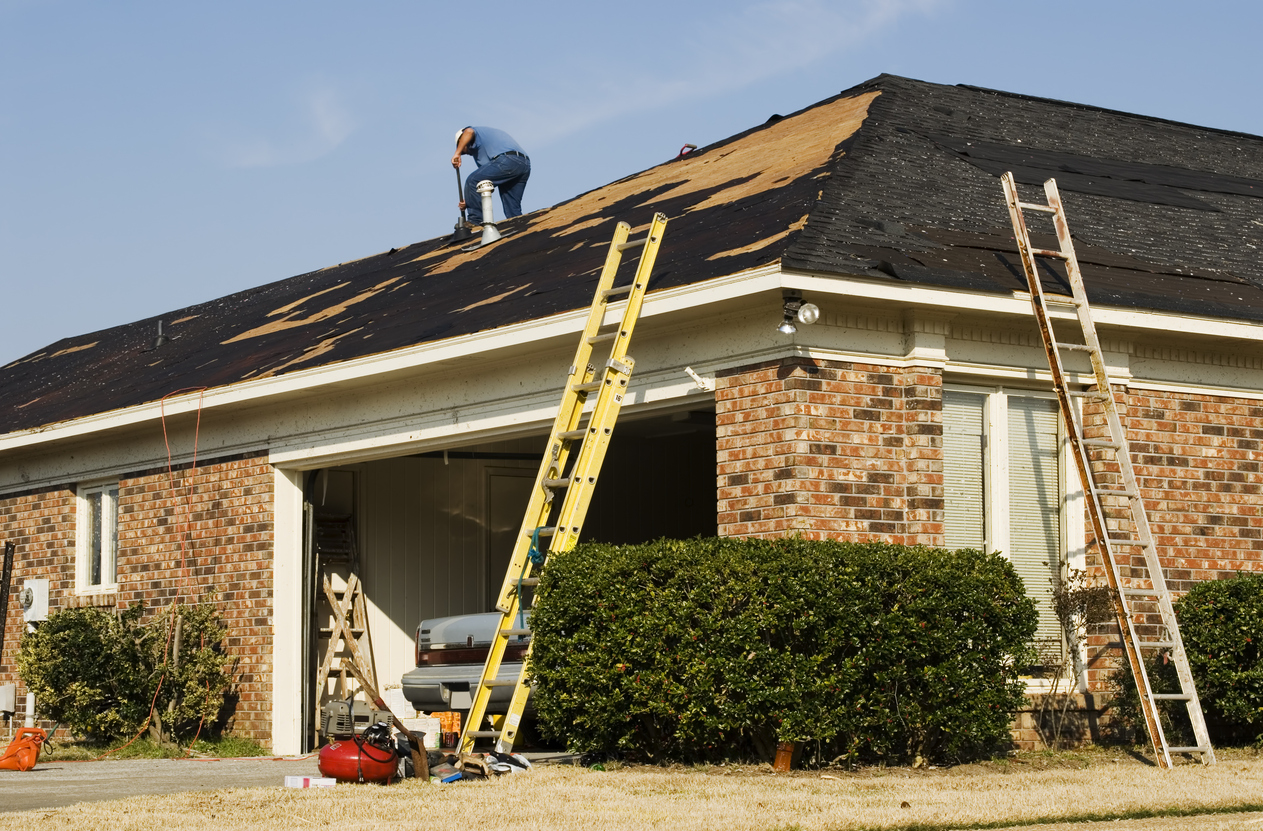
Many Texas insurers attach ACV-only terms to older roofs, meaning your insurance coverage pays out with no recoverable depreciation. Once a roof passes a specific age threshold, carriers frequently adjust the policy terms.
The insurer calculates the total cost to rebuild, subtracts years of wear and weather exposure, and issues a single payout. You must pay the remaining balance out of pocket. On an aging coastal roof, an ACV-only policy can leave you responsible for thousands of dollars in unexpected costs during a replacement.
- Do review your declarations page for roof settlement terms.
- Don’t assume you’ll receive full replacement cost without first verifying your policy.
Tips for Navigating ACV and RCV Policies
Understanding your policy’s terms is key to managing costs after roof damage. Consider these practical tips:
- Know Your Roof’s Age: Contact your insurer to confirm whether your roof falls under ACV-only terms. This applies to many roofs older than 10–15 years.
- Document Regular Maintenance: A well-documented history, including professional roof inspections, can make a claim smoother.
- Ask About Depreciation Rates: If you’re unsure how much your roof has depreciated, your insurer can provide a detailed breakdown.
- Save for Upgrades: ACV policies only compensate for the existing roof’s value, so setting aside funds ensures you’re prepared for full repair needs.
- Check for Cosmetic Damage Exclusions: Many Texas carriers attach endorsements that exclude coverage for cosmetic denting (such as hail marks on metal vents, flashing, or commercial panels) if the material still sheds water mechanically.
For questions about your roof’s condition or support with inspections, explore our roof maintenance plans.
How WABO Roofing Systems Supports Homeowners
We don’t give insurance advice, but we do help homeowners build a clear record of their roof’s condition during the ACV vs RCV roof claim process. Solid documentation keeps claims moving smoothly. Check out our roofing services, roof replacement, roof repair, and storm damage pages to learn more.