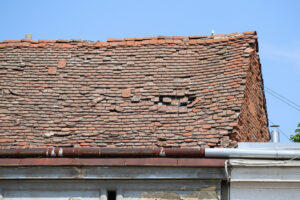
Adjusters classify a hail damage vs wind damage roof by looking at theSalt air along the Texas coast does more than dry out your skin. It works through your roof’s metal components one chloride particle at a time. Those particles settle into gaps around fasteners, drip edge, and flashing, breaking down protective coatings long before the shingles show any wear. Layer in year-round humidity that keeps everything damp, and the damage builds quietly until a leak forces your attention. Understanding coastal roof corrosion around the Texas Bay Area starts with knowing which materials fail first and what to put in their place so your roof holds up against the bay. pattern of the damage. Hail leaves round, random bruises and dents, while wind leaves directional marks like creased or lifted shingles. That difference matters because it changes how your claim gets paid.
The Real Cause: Chloride-Driven Corrosion
Salt air carries tiny chloride particles that settle into gaps around metal. Chloride breaks down the protective layer on steel. Once that barrier fails, water and oxygen reach the raw metal and rust forms fast. Texas summers push the process deeper into fasteners and flashing within just a few seasons.
The most vulnerable spots are metal, small, and exposed to every weather cycle.
- Fasteners: When an exposed fastener rusts, it loses grip and the shingle above it lifts. Wind-driven rain pushes straight into the deck from there.
- Drip edge: Rust pulls it away from the fascia, sending water behind the gutter and into the wood underneath.
- Flashing: Corroded flashing cracks at seams around valleys, chimneys, and walls, creating high-risk leak points.
Wet metal never fully dries in our climate. That constant moisture contact is what turns minor surface rust into deep corrosion in a fraction of the time. Salt air roof damage speeds up year-round, not just during storm season.
Galvanic Reactions: When Metals Fight
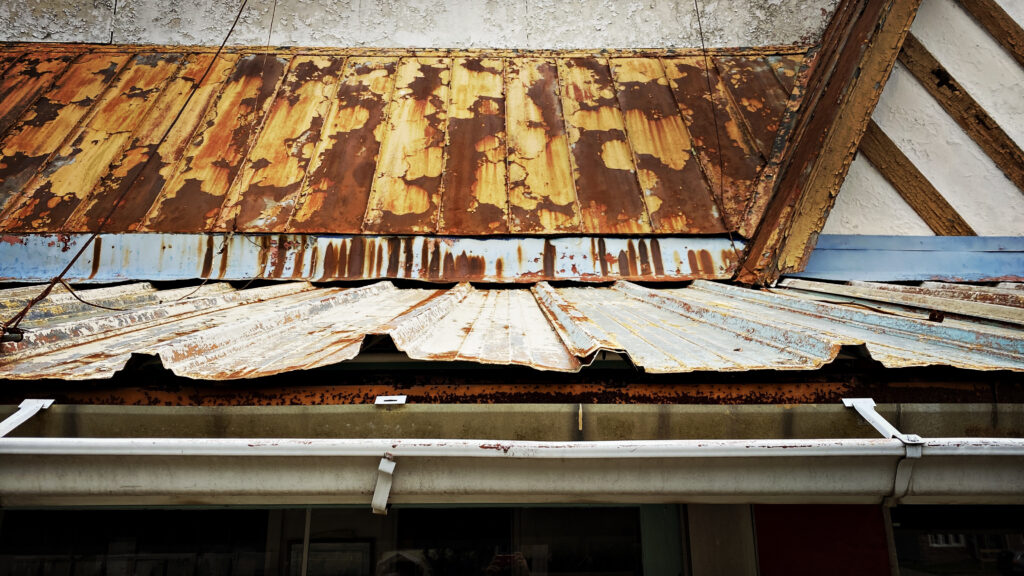
Put two different metals together in a damp, salty setting, and one corrodes fast. A common mistake is pairing steel fasteners with bare aluminum flashing or copper components without isolation. Near the bay, where salt acts as an electrolyte, this reaction accelerates coastal roof corrosion far faster than on inland properties.
The weaker metal breaks down early. That’s why mixing materials on roof surfaces near the bay is risky. Separating metals with a non-conductive gasket, or matching them, removes the problem.
Humidity, Algae, and Slow Decay
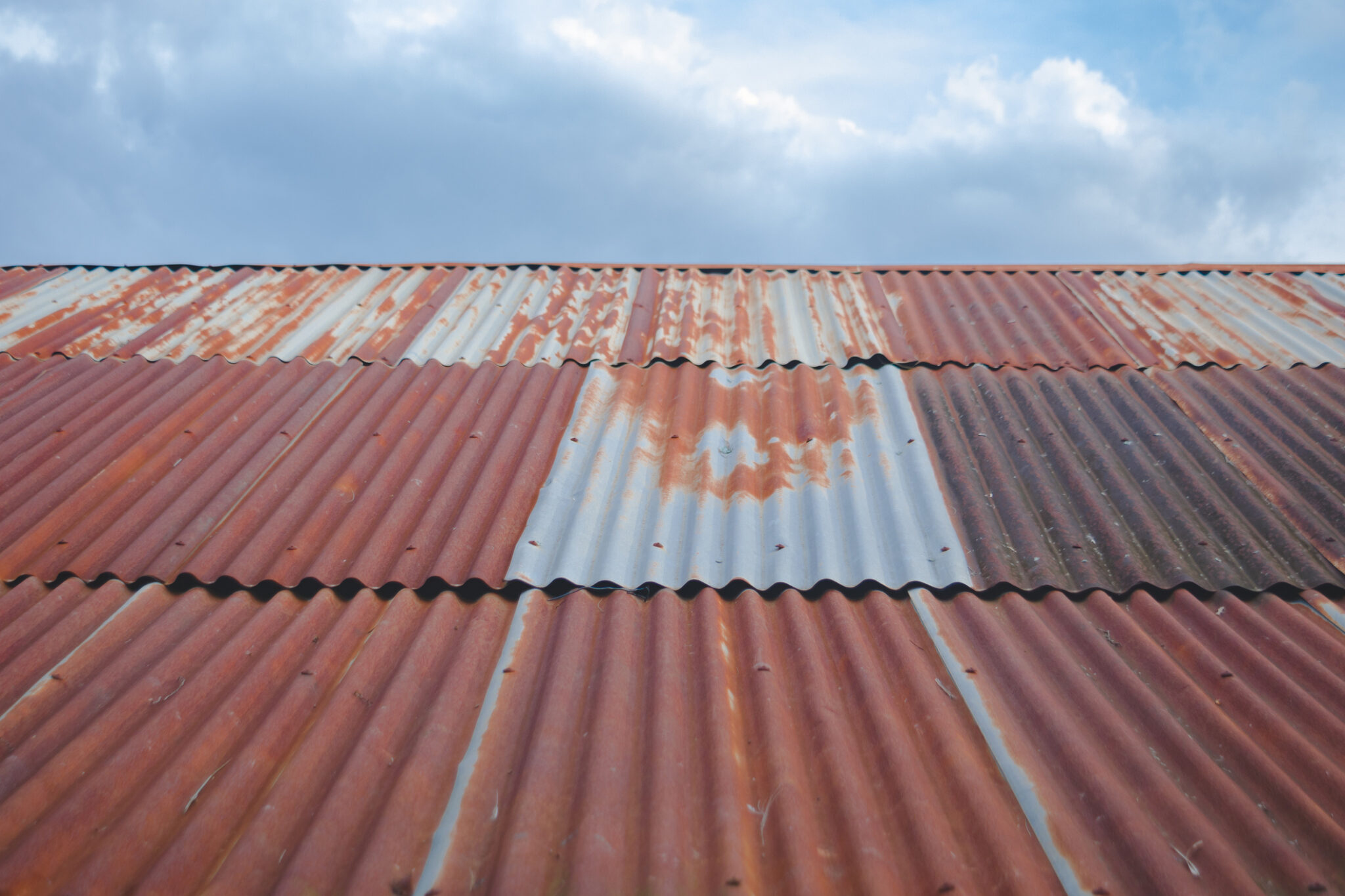
High humidity feeds algae growth on shingles. Those dark colonies hold moisture against the roof long after rain stops, and that trapped moisture accelerates corrosion on nearby metal. In coastal environments like ours, warm humid air keeps everything damp, and algae spreads month after month. By the time you see black streaking from the street, the damp microclimate underneath is already accelerating metal wear.
What to Specify on a Coastal Roof
- Stainless steel fasteners: In the galvanized vs stainless roof coastal debate, stainless wins near saltwater. Galvanized coatings wear through fast; stainless resists chloride and holds grip through hurricane season.
- Corrosion-rated flashing: Choose coated, marine-grade metals or appropriately matched materials isolated from surrounding components.
- Algae-resistant shingles: These slow streaking and keep nearby metal drier between rain events.
- Proper ventilation: Keeps attic air moving and extends the life of fasteners and underlayment.
For a full material plan, see our roofing services or ask about a roof replacement.
What to Avoid
Skip these to reduce coastal roof corrosion in Texas:
- Standard electro-galvanized nails near the water: the coating wears through faster than most expect, leaving bare steel open to chloride attack within just a few seasons.
- Mixed dissimilar metals with no separation: pairing steel next to aluminum or copper creates a galvanic cell that breaks down the weaker metal surprisingly fast.
- Skipped maintenance and ignored rust spots: surface rust spreads to fasteners and flashing below, turning what could have been a small fix into a costly repair.
Our roof maintenance plans catch rust early, including deterioration on roof fasteners that coastal Texas properties face, and our roof repair team fixes damaged flashing before leaks start.
Protect Your Roof Today
Choosing coastal-grade specs is the difference between a roof that stands strong for decades and one that rusts out early. Check our service areas to confirm coverage and protect your neighborhood home today.